Battery Thermal Insulation Sheet is an ultra-thin, nano-microporous thermal barrier engineered with fumed silica and inorganic composite fibers. Designed for electric vehicles (EV) and Energy Storage Systems (ESS), it prevents catastrophic cell-to-cell thermal runaway cascading by delivering ultra-low thermal conductivity (≤0.020 W/m·K at 25°C), continuous operating resistance up to 1000°C, and UL94 V-0 fire ratings within high volumetric density pack designs (thickness from 5mm to 50mm or custom micro-layers).
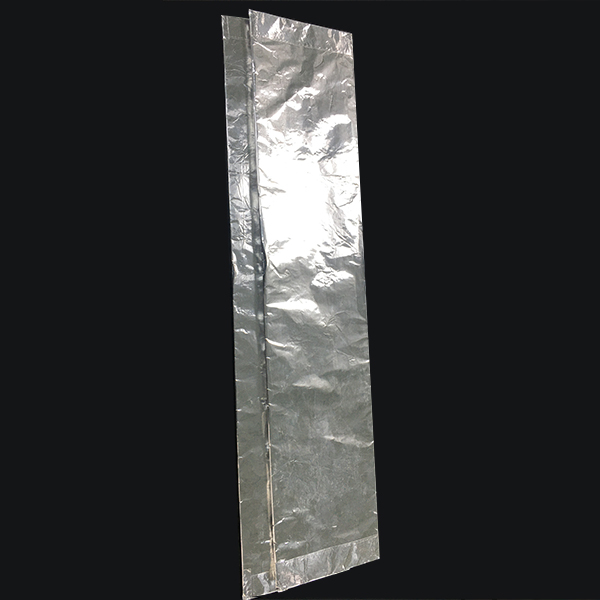

New Energy Vehicles Battery Insulation Blanket Layer & Thin Microporous Barrier
With the rapid global expansion of the new energy electric mobility market and large-scale stationary grid storage, battery safety engineering has become the foremost requirement. ZeroThermo provides standard and custom-machined Battery Thermal Insulation Sheets engineered to maintain optimum operating temperatures, protect against mechanical impact and vibrational shock, and isolate severe thermal runaway events.
- ✓ Exceptional Thermal Resistance: Limits heat conduction across neighboring cells under high C-rate charging.
- ✓ Space & Weight Efficient: Maximize volumetric energy density without sacrificing thermal barrier integrity.
- ✓ Dielectric Strength: High electrical breakdown insulation voltage to prevent internal arcing.
How Battery Thermal Insulation Sheets Mitigate Thermal Runaway
Combining nanoscale Knudsen diffusion reduction, radiant heat interception, and solid conduction minimization to protect multi-cell modules.

1. Nanoscale Pore Conduction Suppression
The core structure consists of synthetic fumed silica with an average pore size of 20–50 nanometers—smaller than the mean free path of air molecules (~68nm). This physical confinement practically eliminates gaseous convective and conductive thermal transfer, achieving thermal performance lower than still air.

2. Infrared Opacification at High Temps
Integrated specialized infrared scattering opacifiers effectively absorb and reflect thermal radiation. When an adjacent lithium-ion cell reaches 800°C–1000°C during an exothermic runaway event, radiant heat transfer is throttled, containing energy discharge within the compromised cell enclosure.

3. Mechanical Cushioning & Vibration Damping
In addition to strict thermal isolation, the tailored elasticity and resilient matrix of our battery insulation blanket provides continuous compression retention. It accommodates cell expansion/breathing during cyclic charging while dampening automotive vibration and shock loads.
Preventing Cascading Failures in Prismatic, Cylindrical & Pouch Batteries
During thermal runaway (TR), internal dendrites, localized short circuits, overcharging, or severe mechanical penetration trigger an uncontrolled exothermic breakdown in the cathode and flammable electrolyte. Temperatures can surge beyond 800°C within milliseconds. Without a high-grade Battery Thermal Insulation Sheet between adjacent cells, thermal energy instantaneously conducts through pack walls, causing neighboring cells to reach their thermal trigger point (approx. 150°C–180°C for NMC/LCO chemistries), leading to a catastrophic chain reaction and pack fire.
ZeroThermo thin thermal barriers serve as permanent firewalls between cells, modules, and outer pack casings, guaranteeing compliance with stringent safety benchmarks including GB 38031-2020 (5-minute passenger escape warning delay), ECE R100 Rev 3, and UL 9540A for commercial grid battery enclosures.
Technical Specifications & Material Data Sheet
Precision-manufactured parameters to meet strict automotive powertrain and stationary storage engineering tolerances.
| Property / Characteristic | Test Standard / Condition | Typical Value (ZeroThermo EV/ESS Grade) |
|---|---|---|
| Core Material Composition | Chemical Analysis | Fumed Silica Core + Nano-Microporous Reinforcing Fiber Blend |
| Nominal Thickness | Custom Calibrated | 5 mm – 50 mm (Custom micro-thin sheets available down to 1.5mm) |
| Dimensional Tolerances | Precision CNC / Die-Cut | Length & Width: ±2 mm; Thickness: ±1 mm (Custom tolerances available) |
| Thermal Conductivity (25°C) | ASTM C518 / ISO 8301 | ≤ 0.018 – 0.022 W/(m·K) |
| Thermal Conductivity (200°C) | ASTM C518 | ≤ 0.024 – 0.028 W/(m·K) |
| Thermal Conductivity (600°C) | ASTM C518 | ≤ 0.038 W/(m·K) |
| Continuous Temperature Rating | Thermal Stability Test | -50°C to +800°C (Short-term peak resistance up to 1000°C) |
| Flammability & Reaction to Fire | UL94 / GB/T 8624 | UL94 V-0 / Non-combustible Class A1 |
| Density Range | ASTM C303 | 200 – 320 kg/m³ |
| Dielectric Breakdown Strength | ASTM D149 | ≥ 3.0 – 5.0 kV/mm |
| Compressive Strength (10% strain) | ASTM D1621 | 150 – 350 kPa (Tunable based on cell compression spec) |
| Packaging & Delivery Form | Industrial Export Spec | Die-cut sheets, roll blanket layers, pre-taped assembly modules |
Product Dimension & Machining Support
Size: Fully customized to cell form-factor (Prismatic 100Ah-320Ah, Large Cylindrical 4680/21700, Pouch format, CTP/CTC designs).
Thickness Options: 5-50mm or custom micro-barrier thicknesses with edge-sealing encapsulation.
Tolerance Control: Length and width direction: ±2mm; Thickness direction: ±1mm.
Commercial & Trade Terms
Pricing & Incoterms: FOB, CFR, CIF, EXW, DDP.
Accepted Currencies: USD, EUR, JPY, CAD, CNY, AUS.
Payment Terms: T/T, L/C, D/P, D/A, Western Union, Cash.
Supply Capacity: 50,000 Square Meters per Month.
Loading Ports: Shanghai, Shenzhen, Ningbo China.
Thermal Barrier Material Comparison for Battery Packs
Understand why nano-microporous fumed silica insulation outperforms traditional aerogel, ceramic fiber, and mica sheets in next-gen battery integration.
ZeroThermo Microporous Sheet
Fumed Silica Core & Fibers
- Thermal Conductivity: 0.018-0.022 W/mK
- Max Temp Rating: 1000°C
- Thickness Requirement: Ultra-thin (1.5mm - 5mm)
- Dusting/Fiber shedding: Encapsulated / Zero Dust
- Cost Efficiency: Outstanding TCO
Silica Aerogel Blanket
Silica Aerogel + PET/Glass
- Thermal Conductivity: 0.020-0.026 W/mK
- Max Temp Rating: 650°C (Binder degradation)
- Thickness Requirement: Thin (2mm - 6mm)
- Dusting: Prone to powder fallout under shock
- Cost Efficiency: Higher raw material cost
Ceramic Fiber Board
Alumino-silicate Fibers
- Thermal Conductivity: 0.065-0.120 W/mK
- Max Temp Rating: 1100°C
- Thickness Requirement: Thick (10mm - 25mm)
- Dusting: Airborne respirable fibers
- Cost Efficiency: Low cost, high space penalty
Rigid Mica Plate
Muscovite / Phlogopite Mica
- Thermal Conductivity: 0.150-0.250 W/mK
- Max Temp Rating: 700°C - 900°C
- Thickness Requirement: Moderate (1mm - 3mm)
- Elasticity: Rigid, zero cell expansion buffer
- Cost Efficiency: Low cost, poor insulation
Target Applications in New Energy & High-Temperature Systems
From passenger EV battery packs to utility-scale BESS containers and critical industrial envelopes.
Electric Vehicle (EV/HEV) Battery Packs
Cell-to-cell thermal spacers, inter-module thermal blankets, pack top-cover flame retardant insulation, and side-wall crash protection barriers for Cell-to-Pack (CTP) and Cell-to-Chassis (CTC) platforms.
Utility & Commercial ESS Enclosures
Inter-rack thermal barriers, rack separation fireproof layers, and BESS container envelope insulation to maintain battery longevity and ensure full compliance with NFPA 855 and UL 9540A safety codes.

Cold-Chain & Critical Thermal Enclosures
High-efficiency temperature regulation wraps, cryogenic and medical vaccine cooler insulation boxes, ensuring precision temperature containment without bulky wall profiles.
ZeroThermo R&D & High-Volume Production Strength
Empowering Tier-1 battery makers and automotive OEMs with reliable, automated production and rapid prototyping.


Advanced Vacuum & Microporous Material Engineering
ZeroThermo Technology Co., Ltd. is a global leader in high-performance vacuum insulation panels (VIP), nano-microporous thermal barriers, and specialized high-temperature insulation blanket wraps. With our cleanroom production, automated CNC slitting, precision die-cutting, and comprehensive laser-guided quality inspection, we guarantee consistent thermal performance batch after batch.
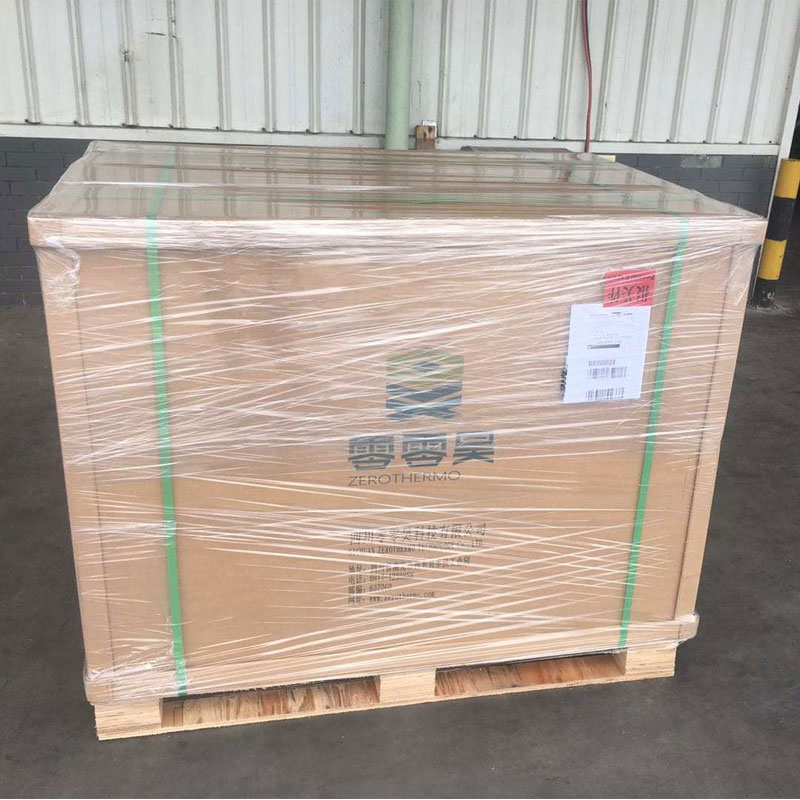
Our packaging utilizes strengthened export cartons on reinforced fumigated pallets to safeguard vacuum-sealed integrity and prevent damage during international multi-modal transit.


Complementary Thermal Barrier & Insulation Solutions
Explore our specialized portfolio of vacuum insulation panels and custom microporous assemblies.
EV Battery Insulation Blanket Layer
Engineered thermal blanket for multi-cell pack fire isolation.
View Details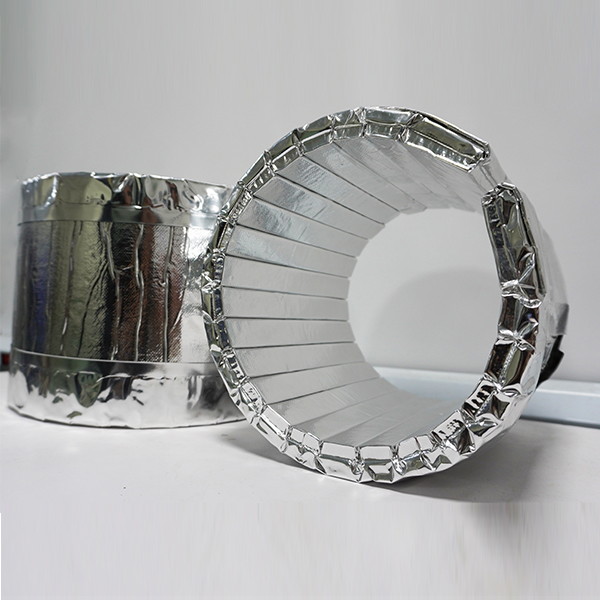
High-Temp Nano Microporous Wrap
Flexible thermal insulation blanket for tank and pipe containment.
View Details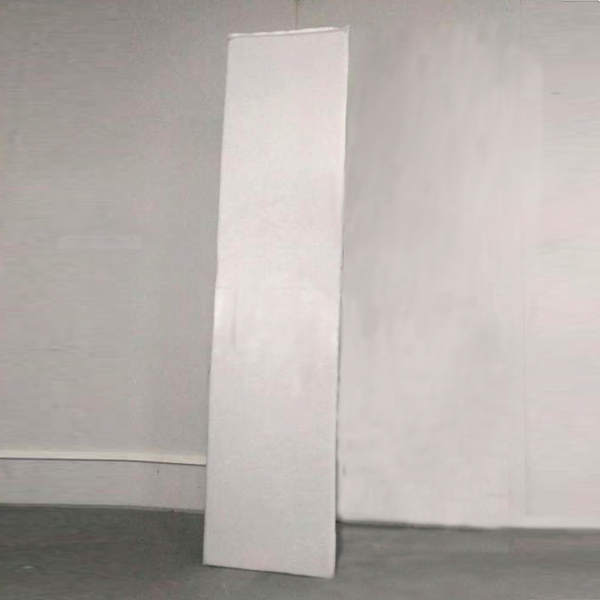
Fireproof Door Microporous Panels
Class A1 high-temperature fire barrier panels for industrial safety.
View Details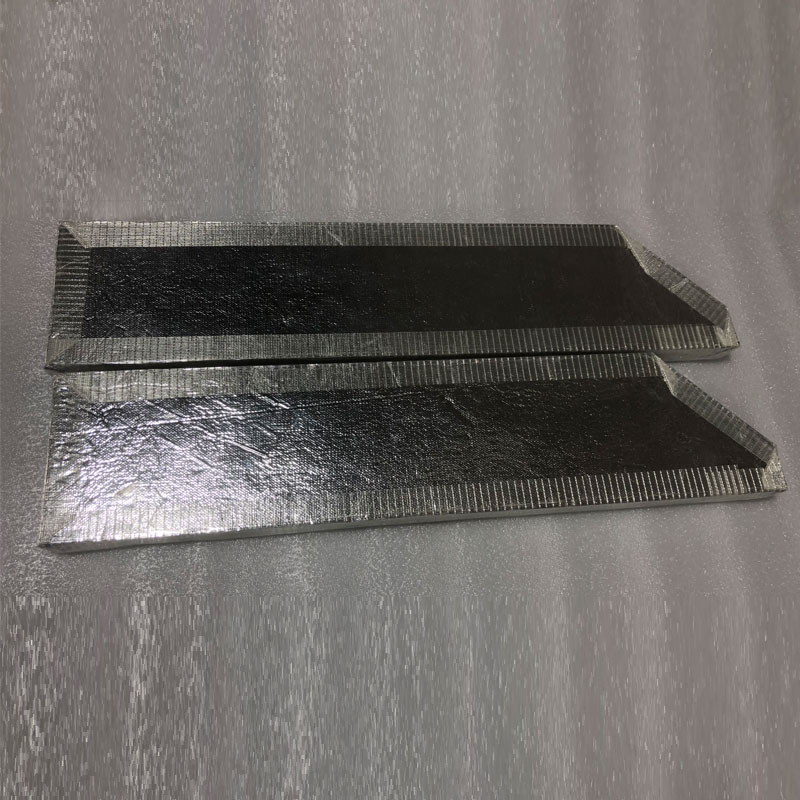
Custom Special-Shaped VIP Panels
Vacuum insulation panels with PET composite films for tight spaces.
View Details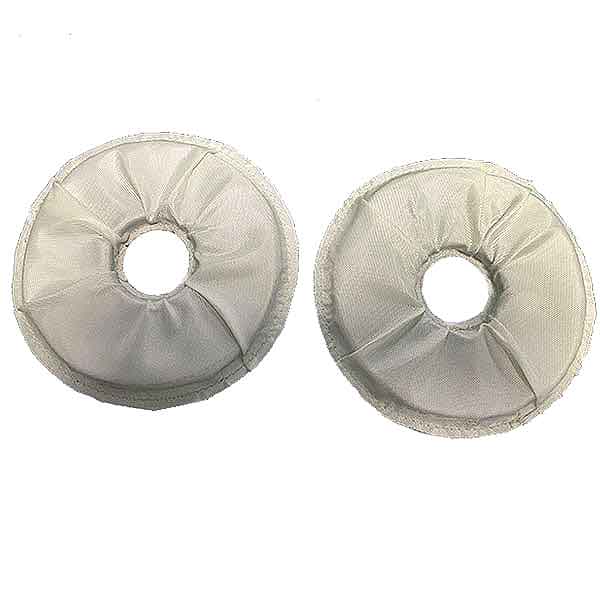
Flexible Nano Thermal Mat Panels
Machined circular and curved mats for specialized thermal profiles.
View Details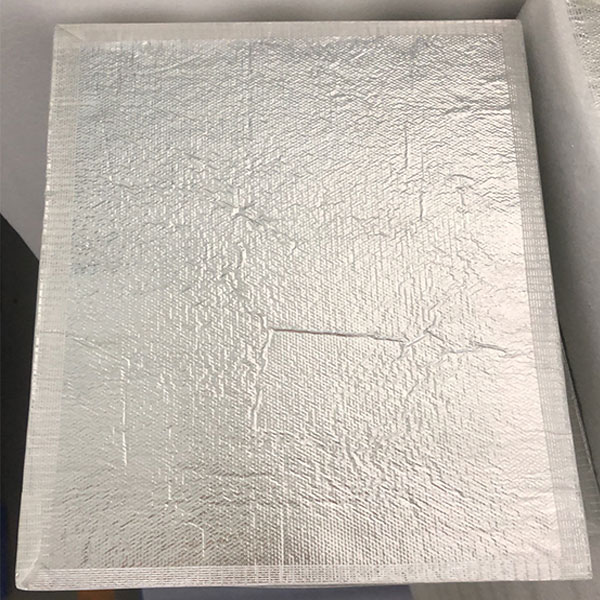
Low Thermal Conductivity VIP
Ultra-low lambda (≤0.005 W/mK) panels for high-end thermal isolation.
View Details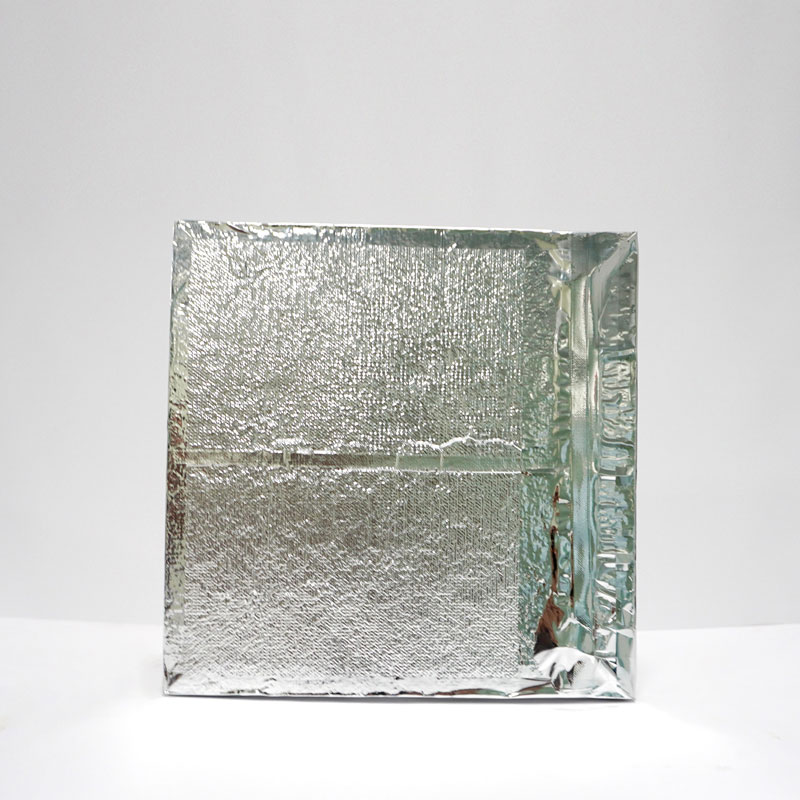
Cold Chain Logistics VIP
Temperature-sensitive shipping containers and packaging solutions.
View Details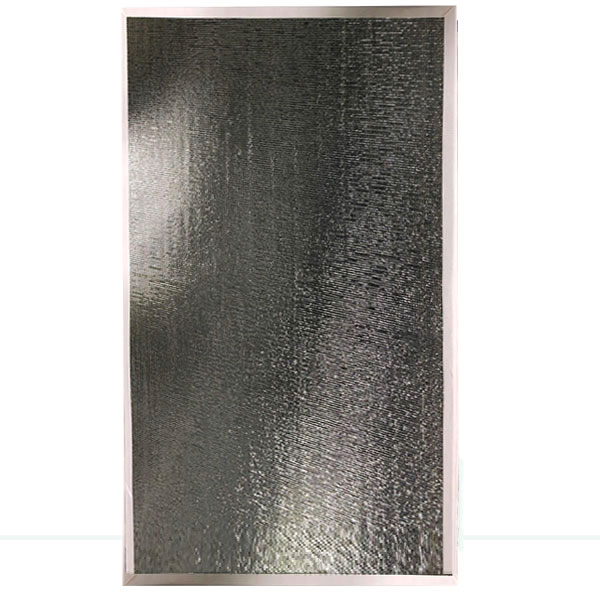
Big-Size VIP for Containers
Large-format thermal barriers for energy-efficient refrigerated logistics.
View DetailsLatest Research & Industry Case Studies
Stay informed with updates on thermal insulation engineering and fire barrier standards.


Frequently Asked Questions (FAQ)
Get answers to critical design, testing, and implementation questions asked by battery engineers.
Request Engineering Support & Quotation
Need custom-machined samples, thermal simulation support, or bulk production pricing for your EV or ESS battery program? Our application engineers are ready to assist.
-
 Direct Sales & Technical Inquiries:amanda@zerothermo.com
 -
 Phone / WhatsApp Hotline:+86 158 9279 2306
Connect with our Engineering Team


